Right to Rent checks represent one of the most straightforward yet critical compliance requirements for UK landlords and letting agents. These mandatory verification steps ensure tenants have the legal right to live in the UK, protecting your business from substantial fines while maintaining the integrity of the UK property market.
With 2026 bringing significant changes to landlord compliance through the Renters' Rights Act, understanding your Right to Rent obligations becomes even more essential. Modern landlord software and letting agent platforms now streamline these processes, transforming what was once a paperwork nightmare into a seamless digital verification system.
Understanding Your Right to Rent Legal Obligations
The Immigration Act 2014 established Right to Rent checks as a fundamental requirement for all landlords in England. Every adult tenant and permitted occupier must demonstrate their legal right to rent property before any tenancy agreement begins.
Your legal obligations encompass three core requirements: conducting initial checks before the tenancy starts, performing follow-up checks for time-limited permissions, and maintaining accurate records of all verification activities. These requirements apply universally across residential lettings, from single-room rentals to multi-property portfolios.

The legislation places responsibility squarely on landlords and their agents to verify tenant immigration status through approved documentation. This verification process protects both your business interests and ensures compliance with UK immigration law, creating a framework that benefits legitimate tenants while preventing unauthorized occupation.
Essential Right to Rent Checks: Your Step-by-Step Process
Initial Documentation Review
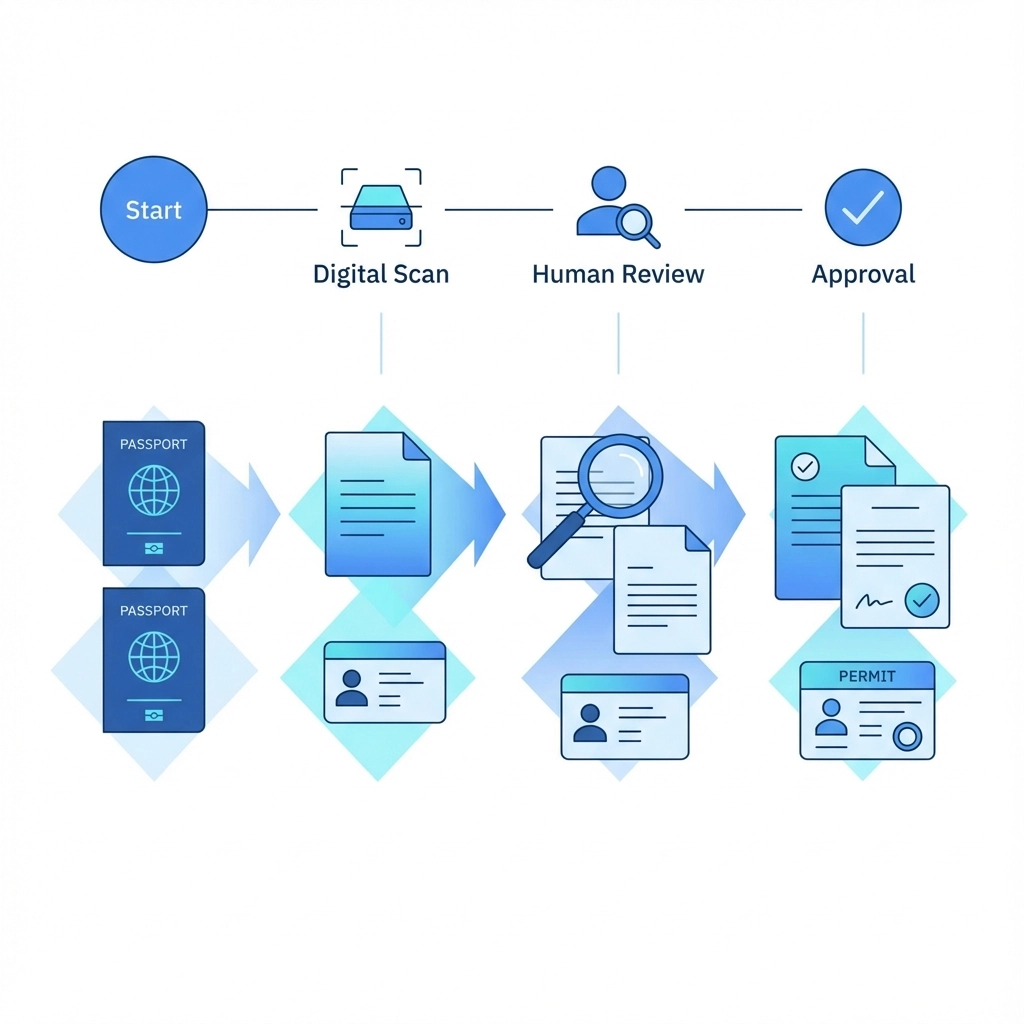
Begin every tenancy by requesting acceptable proof of identity and immigration status from all adult occupiers. The Home Office maintains a comprehensive list of acceptable documents, including British passports, EU settlement scheme documentation, and various work or study permits.
Original documents must be examined in person, though certified digital verification systems now offer approved alternatives through specialized landlord software. Each document requires careful inspection for authenticity, ensuring photographs match the individual and all security features appear genuine.
Verification Timeline Requirements
Complete initial checks before any tenancy agreement signing or key handover. The law prohibits entering into rental agreements without confirmed Right to Rent status, making this verification an absolute prerequisite for legitimate lettings.
For tenants with time-limited permissions, schedule follow-up checks before the documented right expires. Modern letting agent platforms automatically flag upcoming renewal dates, ensuring continuous compliance without manual tracking systems.
Record Keeping Standards
Maintain comprehensive records of all verification activities, including copies of reviewed documents, check dates, and any communications regarding status changes. These records must remain accessible throughout the tenancy and for one year following its conclusion.
Digital record-keeping through professional landlord software ensures secure storage while providing instant access during potential inspections. Cloud-based systems offer additional protection against document loss while streamlining record management across multiple properties.
Acceptable Documentation Categories
List A Documents: Indefinite Right to Rent
British and Irish passports provide the strongest verification for indefinite Right to Rent status. UK birth certificates combined with photographic identification also establish permanent residency rights, though this combination requires additional verification steps.
EU Settlement Scheme documentation confirms settled or pre-settled status for European nationals, representing a significant portion of current tenant verifications. These digital-first documents integrate seamlessly with modern verification platforms, reducing processing time while maintaining security standards.
List B Documents: Time-Limited Permissions
Biometric residence permits, visa stamps, and Immigration Status Documents establish temporary Right to Rent permissions. These documents require ongoing monitoring, as permissions typically last between six months and several years depending on the individual's immigration circumstances.
Work permits, student visas, and family reunion documentation fall within this category, each carrying specific validity periods that trigger mandatory follow-up checks. Professional letting agent platforms automate these renewal reminders, preventing compliance gaps that could result in penalties.
Technology Solutions for Streamlined Compliance
Digital Verification Platforms
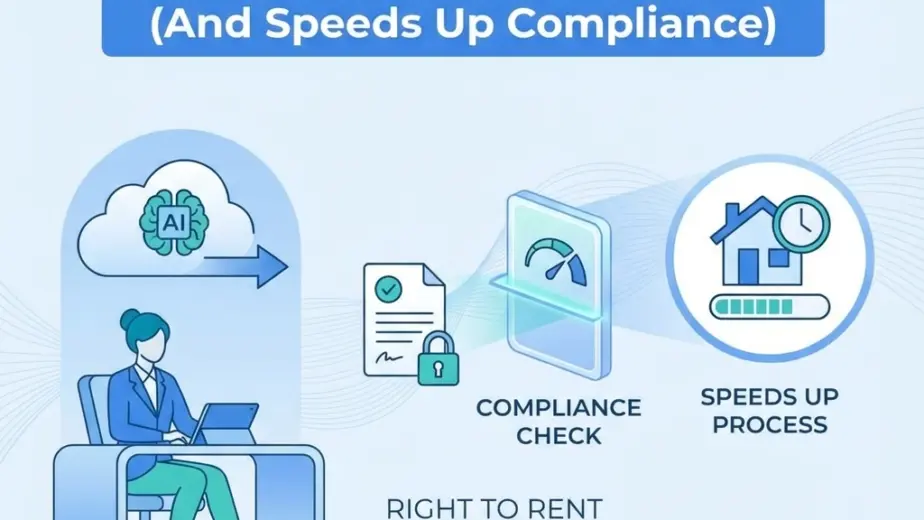
Modern landlord software transforms Right to Rent compliance from manual paperwork into automated digital processes. These platforms integrate document scanning, verification databases, and automated record-keeping into single, user-friendly interfaces.
AI-powered document authentication detects fraudulent identification while cross-referencing against government databases for real-time status confirmation. This technology reduces verification time from hours to minutes while improving accuracy rates significantly beyond manual checking methods.
Automated Renewal Management
Professional letting agent platforms monitor time-limited permissions automatically, sending renewal notifications well before expiration dates. These systems prevent compliance lapses that could expose landlords to substantial penalties while ensuring continuous tenant eligibility.
Integration with calendar systems and property management software creates comprehensive compliance ecosystems that track multiple properties and hundreds of tenants without manual oversight. This automation proves particularly valuable for portfolio landlords managing extensive property networks.
Secure Record Storage
Cloud-based storage solutions provide secure, accessible record-keeping that exceeds traditional filing systems in both security and convenience. These platforms encrypt sensitive tenant information while maintaining instant accessibility for compliance inspections or legal requirements.
Automated backup systems ensure record preservation even during technical failures, while user permission controls restrict access to authorized personnel only. This digital approach eliminates physical storage requirements while improving document security substantially.
Understanding Penalties and Enforcement
The penalty structure for Right to Rent violations carries significant financial consequences designed to ensure universal compliance. Civil penalties range from £1,000 to £3,000 per unauthorized occupier for first-time violations, escalating to £3,000 to £5,000 for subsequent offenses.
Criminal prosecution becomes possible for landlords who demonstrate patterns of non-compliance or deliberately ignore verification requirements. These prosecutions can result in unlimited fines and up to five years imprisonment, representing severe consequences for systematic compliance failures.

Home Office enforcement operations target both random compliance checks and complaint-driven investigations. Immigration officers possess substantial powers to inspect properties, review documentation, and impose immediate penalties for discovered violations.
The "excuse" defense protects compliant landlords who can demonstrate proper verification procedures, even if a tenant's status later changes or documents prove fraudulent. This protection emphasizes the importance of thorough initial checks and comprehensive record-keeping practices.
Best Practices for 2026 and Beyond
Integration with Renters' Rights Act Changes
The Renters' Rights Act 2025, effective from May 1, 2026, transforms tenancy structures while maintaining existing Right to Rent requirements. Open-ended periodic tenancies replace fixed-term agreements, but immigration verification obligations remain unchanged.
New registration requirements through the Private Rental Sector Database complement existing Right to Rent compliance, creating comprehensive landlord verification systems. Professional landlord software increasingly integrates both requirements into unified compliance platforms.
Proactive Compliance Management
Establish systematic verification procedures that exceed minimum legal requirements, creating robust protection against potential compliance failures. Regular training for letting agents and property managers ensures consistent application of verification standards across all properties.
Implement redundant checking systems that combine human oversight with technological verification, providing multiple layers of protection against documentation errors or fraudulent submissions. This approach demonstrates due diligence while reducing penalty risks substantially.
Technology Investment Strategies
Professional letting agent platforms offer comprehensive compliance solutions that address Right to Rent requirements alongside broader regulatory obligations. These investments typically pay for themselves through improved efficiency and reduced compliance risks within months of implementation.

Consider platforms that provide integrated solutions covering Right to Rent, deposit protection, energy performance certificates, and safety compliance certificates. This comprehensive approach simplifies property management while ensuring universal regulatory compliance across all legal requirements.
Building Compliance into Your Letting Process
Tenant Application Procedures
Structure application processes to request Right to Rent documentation upfront, preventing delays during agreement signing phases. Clear communication about documentation requirements reduces tenant confusion while demonstrating professional compliance standards.
Digital application systems can pre-screen documentation electronically, identifying potential issues before property viewings or detailed negotiations begin. This early verification saves time while ensuring only eligible applicants progress through your letting process.
Staff Training and Procedures
Comprehensive staff training ensures consistent application of Right to Rent requirements across all properties and team members. Regular updates on documentation changes and verification procedures maintain expertise levels as regulations evolve.
Standardized checklists and verification procedures reduce human error while providing clear guidance for complex documentation scenarios. Professional letting agent platforms often include training modules and reference materials that support ongoing staff development.
Technology Integration Benefits
Modern compliance technology eliminates manual tracking systems while providing instant access to tenant verification status across entire property portfolios. Real-time dashboards highlight upcoming renewal requirements and compliance gaps before they become penalty risks.
Integration with broader property management systems creates comprehensive oversight that extends beyond Right to Rent into all aspects of landlord compliance. This holistic approach simplifies regulatory management while reducing administrative overhead significantly.
Right to Rent compliance represents a fundamental aspect of professional property management that protects both landlords and the broader UK housing market. Modern technology solutions transform these requirements from administrative burdens into streamlined verification processes that enhance rather than complicate your letting procedures.
Professional Right to Rent solutions provide the technological foundation for effortless compliance that scales with your property portfolio growth.