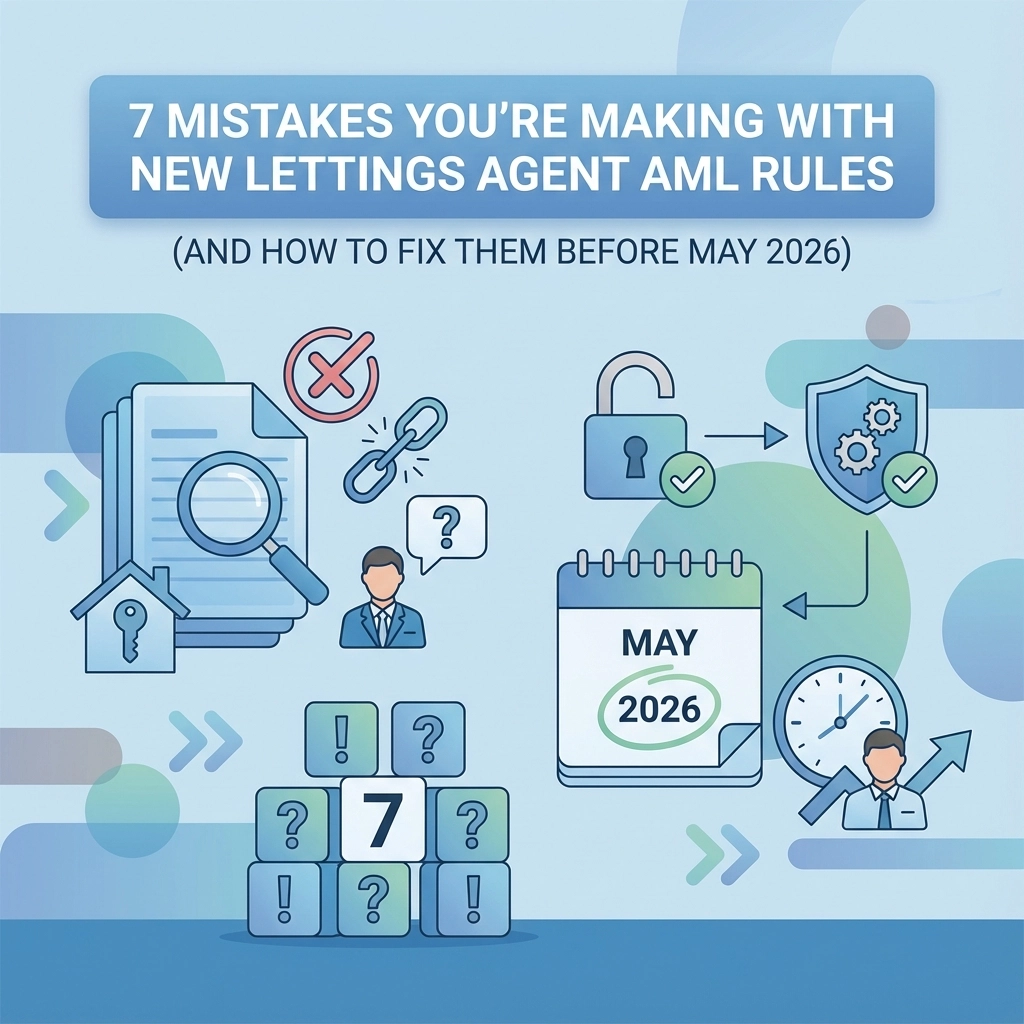
The Anti-Money Laundering regulations that came into force in May 2025 transformed lettings agents compliance forever. Yet nine months later, thousands of UK letting agents still operate with dangerous compliance gaps that expose them to unlimited fines, criminal prosecution, and immediate license suspension.
The harsh reality? Most agencies believe they're compliant when they're actually walking a regulatory tightrope. Every day without proper AML procedures increases your liability exponentially.
Here are the seven critical mistakes that will destroy your lettings business – and the exact fixes that eliminate risk completely.
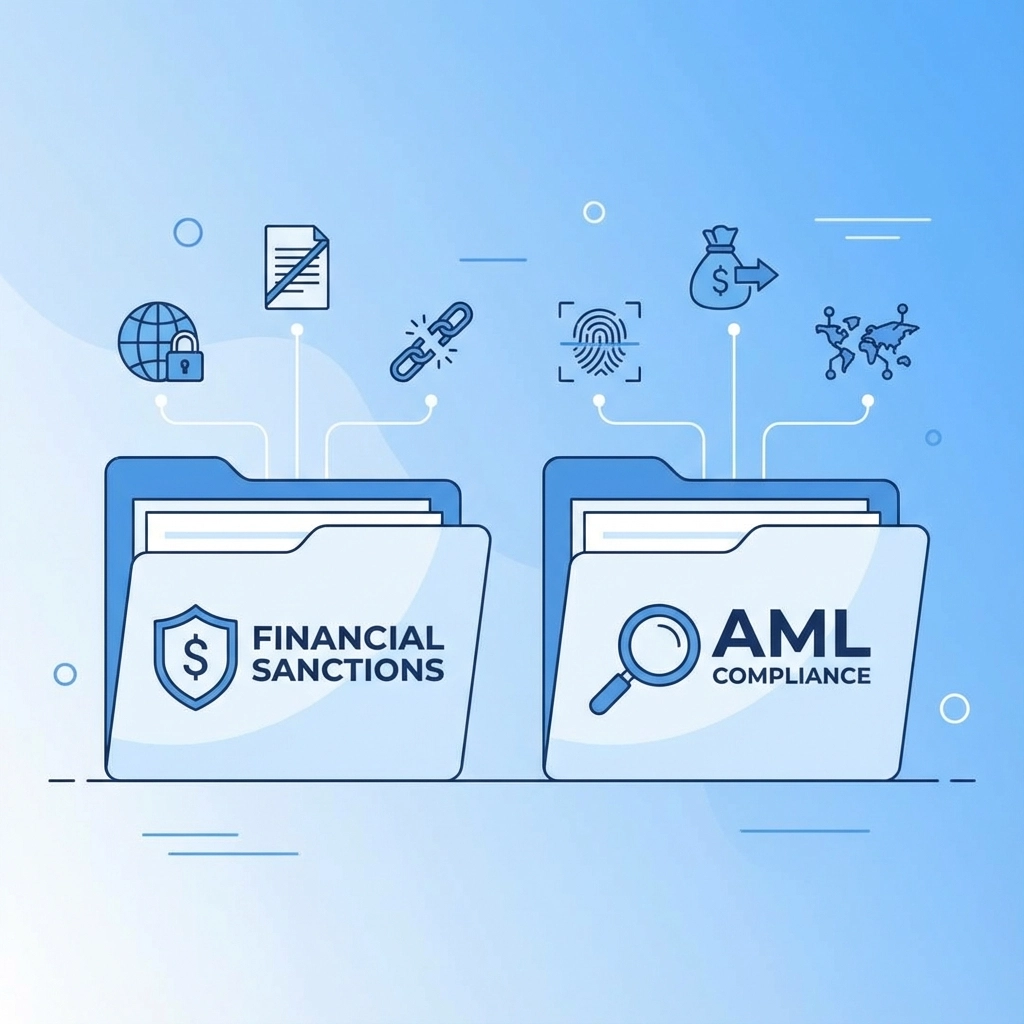
Mistake #1: Treating AML and Financial Sanctions as the Same Thing
The Error: Confusing Anti-Money Laundering obligations with financial sanctions requirements creates catastrophic compliance blindspots.
Financial sanctions apply to ALL letting agents from May 14, 2025. AML regulations only apply to agents meeting specific criteria – those conducting certain high-risk activities or handling transactions above designated thresholds.
Why This Kills Compliance: Agencies either over-comply (wasting resources) or under-comply (facing prosecution). Both scenarios destroy profitability and create legal exposure.
The Fix: Establish separate compliance frameworks for each requirement. Financial sanctions focus on identifying designated persons and reporting to OFSI. AML compliance requires customer due diligence, suspicious activity reporting, and systematic risk monitoring.
Create distinct procedures, train staff on both frameworks separately, and implement technology that handles each requirement independently.
Mistake #2: Running Superficial Right to Rent Checks
The Error: Treating Right to Rent as a simple document verification exercise instead of comprehensive tenant screening.
Most agencies check passport validity and employment status. True lettings agents compliance demands deeper investigation – source of funds verification, beneficial ownership identification, and ongoing monitoring throughout tenancies.
Why This Destroys Your Business: Superficial checks miss money laundering red flags completely. When enforcement action strikes, "we checked their passport" provides zero legal protection.
The Fix: Implement systematic tenant screening that verifies:
- Identity through multiple data sources
- Employment and income legitimacy
- Source of deposit and rental funds
- Beneficial ownership for corporate tenants
- Ongoing risk throughout tenancy periods
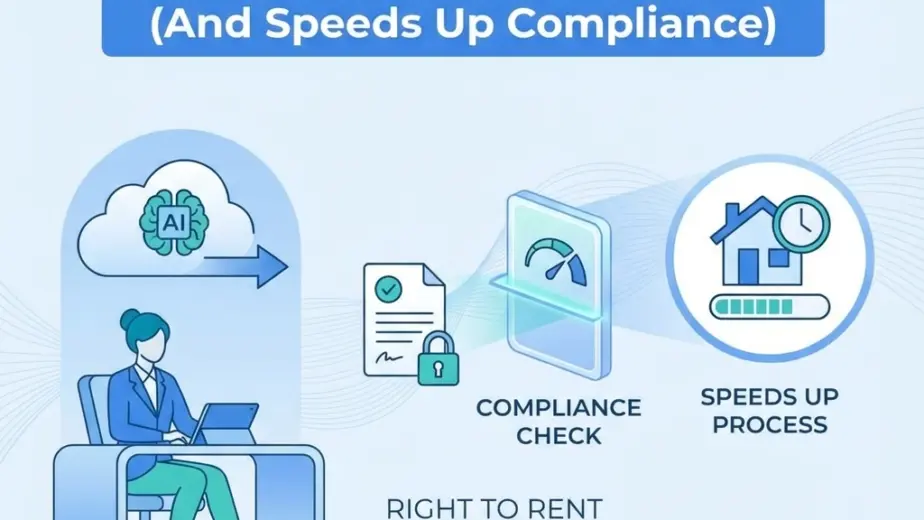
Technology automates this process in seconds rather than hours of manual verification.
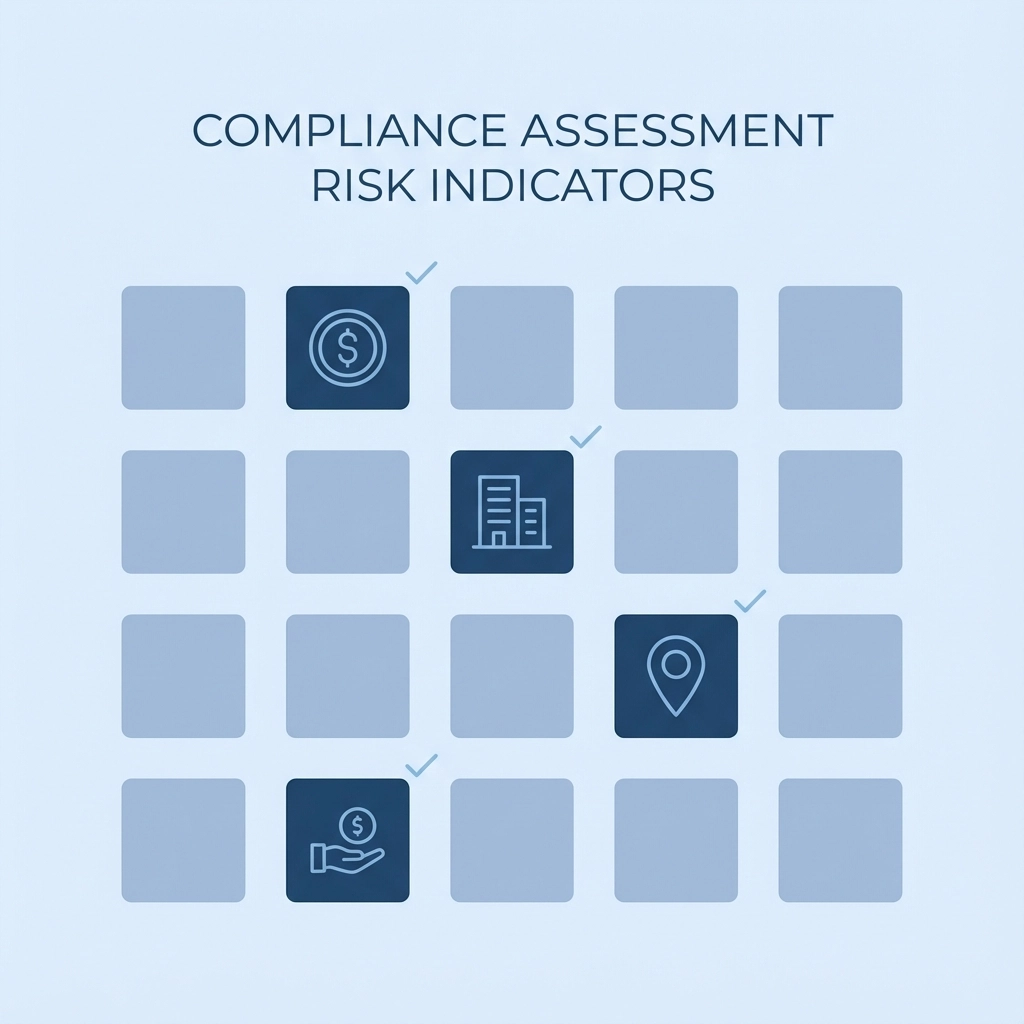
Mistake #3: Ignoring the 34 Critical Risk Indicators
The Error: Operating without addressing HMRC's 34 named risk indicators in your Business Risk Assessment.
HMRC published revised guidance containing specific risk factors every agency must evaluate and address. Agencies using generic risk assessments fail compliance immediately.
Why This Guarantees Penalties: Regulatory examinations focus specifically on these indicators. Missing even one creates automatic non-compliance that triggers investigation and sanctions.
The Fix: Update your Business Risk Assessment and Policies, Controls and Procedures to address all 34 indicators systematically:
- High-value cash transactions
- Complex ownership structures
- Non-resident landlords
- Short-term rental arrangements
- Politically exposed persons involvement
- Unusual payment methods
- Geographic risk factors
Document your evaluation process and remediation strategies for each indicator.

Mistake #4: Relying on Untrained Staff for Compliance
The Error: Assuming existing staff automatically understand new AML obligations without comprehensive training.
Compliance isn't intuitive. Staff handling tenant applications, rent collection, and property management need specific training on identifying suspicious activity, conducting due diligence, and reporting obligations.
Why This Creates Catastrophic Exposure: Untrained staff miss obvious money laundering indicators, conduct inadequate checks, and fail to escalate suspicious activity. Every interaction becomes a compliance liability.
The Fix: Implement mandatory AML training covering:
- Customer due diligence procedures
- Suspicious activity identification
- Reporting requirements and timelines
- Documentation standards
- Escalation protocols
Schedule quarterly refresher training and track completion rates. Technology-based training ensures consistency and provides audit trails for regulatory examination.
Mistake #5: Operating Without HMRC Registration
The Error: Failing to register with HMRC for AML supervision when your activities fall within scope.
Agencies conducting activities requiring AML compliance must register with HMRC as their supervisory body. Operating without registration constitutes immediate criminal offense.
Why This Ends Your Business: Unregistered operation triggers automatic prosecution, unlimited fines, and immediate cessation orders. No appeal process exists – your business stops immediately.
The Fix: Complete HMRC registration immediately if you:
- Handle cash transactions above €10,000
- Conduct customer due diligence for high-risk clients
- Manage properties for non-resident landlords
- Facilitate transactions involving complex ownership
Registration requires demonstrating adequate policies, procedures, and systems. Technology solutions streamline the application process and ongoing compliance requirements.
Mistake #6: Using Ad-Hoc Compliance Instead of Systematic Processes
The Error: Handling compliance reactively rather than implementing systematic, defendable processes.
Many agencies conduct checks randomly, document inconsistently, and respond to suspicious activity sporadically. Ad-hoc compliance provides zero regulatory protection.
Why This Guarantees Failure: Regulatory examinations evaluate your systematic approach, not individual transactions. Random compliance efforts demonstrate fundamental non-compliance and trigger enhanced scrutiny.
The Fix: Establish systematic compliance processes that:
- Conduct identical checks for all clients
- Document every decision and action
- Monitor ongoing risk automatically
- Generate regulatory reports consistently
- Maintain comprehensive audit trails
Systematic processes defend against regulatory challenge and demonstrate commitment to compliance excellence.
Mistake #7: Relying on Manual Processes Instead of RegTech Solutions
The Error: Attempting to manage complex AML compliance through spreadsheets, paper files, and manual procedures.
Manual compliance fails under regulatory pressure. Inconsistent application, documentation gaps, and delayed responses create indefensible compliance positions.
Why Manual Kills Your Agency: Regulatory expectations assume systematic, technology-enabled compliance. Manual processes prove inadequate capability and trigger immediate enhanced supervision.
The Fix: Implement comprehensive RegTech solutions that automate:
- Customer due diligence across multiple data sources
- Real-time risk monitoring and alerts
- Regulatory reporting and documentation
- Staff training and compliance tracking
- Audit trail generation and maintenance

Transform Your Lettings Agents Compliance in 24 Hours
These seven mistakes destroy lettings businesses daily. Each represents fundamental compliance failure that triggers regulatory action, unlimited fines, and business closure.
The solution eliminates all seven risks simultaneously through systematic, technology-enabled compliance that meets every regulatory requirement automatically.
Compliability transforms lettings agents compliance from liability into competitive advantage. Our AI-powered platform conducts comprehensive due diligence in seconds, monitors risk continuously, and generates regulatory reports automatically.
Stop gambling with your business survival. Professional letting agents choose systematic compliance that eliminates risk completely.

Ready to eliminate compliance risk forever? Discover how Compliability transforms lettings agents compliance from burden into competitive advantage at compliability.co.uk.
Your agency's future depends on the compliance decisions you make today.